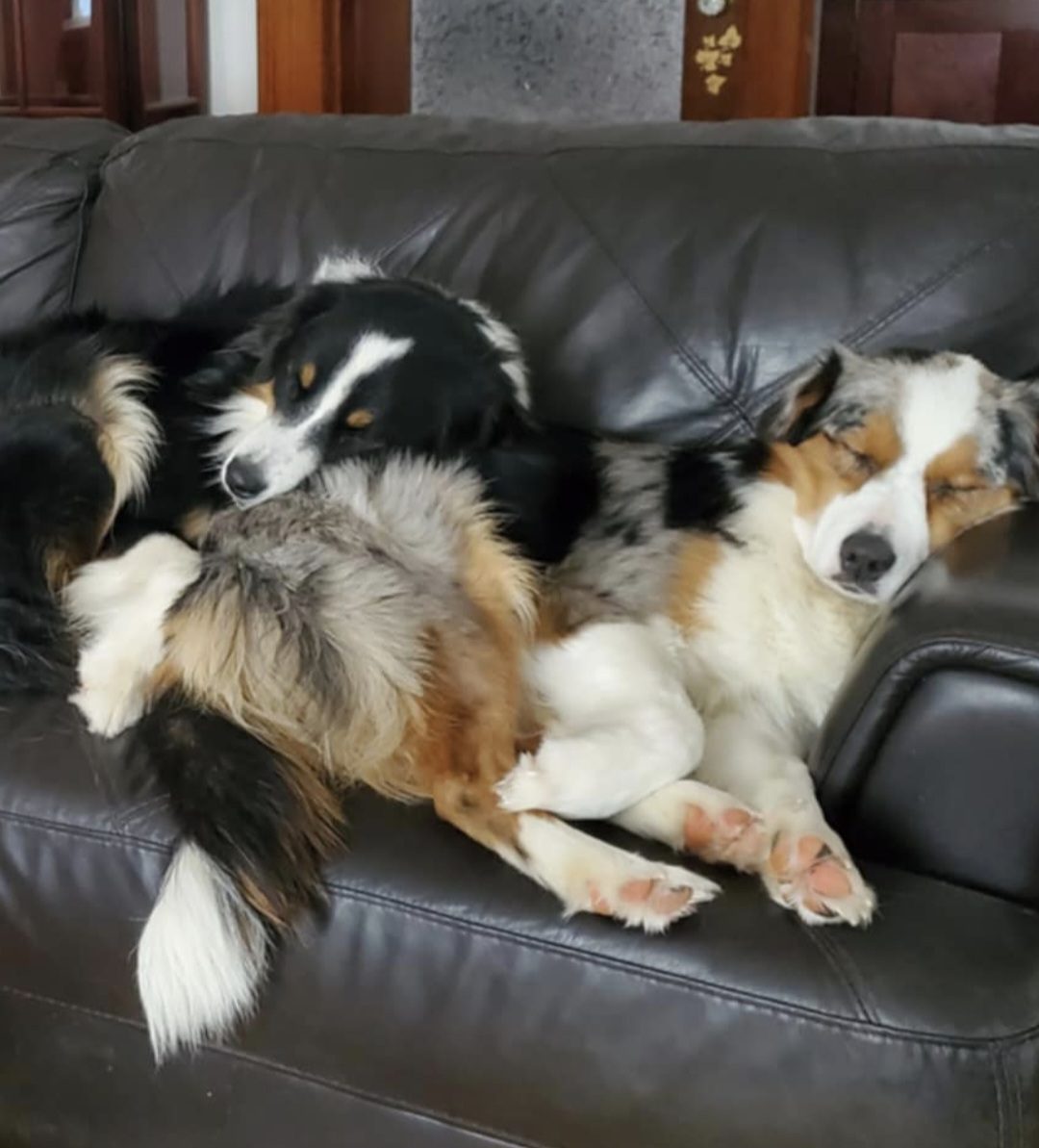
10 Essential Dog Care Tips Every Owner Should Know
Bringing a dog into your home is a joyful and life-changing experience. But with this joy comes responsibility. Whether you’re a new or seasoned dog owner, maintaining your dog’s health and wellbeing requires more than just love. This blog explores practical and evidence-based dog care tips that promote longevity, good behaviour, and a strong human–canine bond.
1. Provide a Balanced, Nutritious Diet
Choose Quality Over Convenience
Feeding your dog a well-balanced diet tailored to their size, age, and breed is crucial. Avoid over-processed kibble that lacks nutritional value. Look for food with whole ingredients, protein as the main component, and avoid artificial preservatives. Consult your vet to determine if your dog needs a grain-free or special diet.
Watch the Portion Sizes
Overfeeding leads to obesity, which can shorten your dog’s lifespan. Follow portion guidelines and reduce treats and table scraps. Use a measuring cup or scale to keep portions accurate.
2. Regular Vet Visits Are Non-Negotiable
Stay Ahead with Preventive Care
Dogs should visit the vet at least once a year for checkups. Puppies and seniors may need more frequent visits. These appointments help detect issues early—before they become costly or life-threatening.
Vaccinations and Parasite Control
Ensure your dog is up to date on vaccinations. Tick, flea, and worm prevention is also critical. Some treatments are seasonal, while others are required year-round depending on your location.
3. Exercise is More Than Walks
Physical and Mental Stimulation
While daily walks are essential, dogs also need opportunities to run, play, and solve mental puzzles. Interactive toys, scent games, or agility training help keep them sharp and well-behaved.
Tailor Activities to Breed and Age
Younger dogs may require high-intensity play, while older dogs benefit from gentler forms of exercise like swimming or shorter walks.
4. Grooming Keeps More Than Looks in Check
Regular Brushing and Bathing
Different coat types have different needs. Long-haired dogs require more brushing to prevent matting, while short-haired breeds benefit from occasional brushing to remove loose hair and promote healthy skin.
Nail Trimming and Ear Cleaning
Overgrown nails can cause posture issues, while dirty ears may lead to infections. Make grooming part of your routine to avoid these issues.
5. Prioritise Dental Health
Don’t Ignore Oral Hygiene
Dental disease can affect more than just your dog’s mouth—it can lead to organ damage. Brush your dog’s teeth regularly or offer vet-approved dental chews.
Watch for Warning Signs
Bad breath, red gums, or reluctance to chew may indicate dental problems that need professional attention.
6. Train with Patience and Consistency
Positive Reinforcement Works Best
Use rewards and praise to encourage good behaviour. Avoid punishment—it can lead to fear-based reactions and broken trust.
Make Training a Habit
Daily reinforcement of commands, even basic ones, keeps your dog sharp and strengthens your bond. Enrol in a group class or consult a trainer if needed.
7. Socialisation Shapes a Well-Adjusted Dog
Start Early but Go Slow
Expose your dog to different people, pets, and environments early on. Positive experiences in diverse settings help prevent fear and aggression later in life.
Continue Socialisation Beyond Puppyhood
Even adult dogs benefit from new experiences. Regular outings, dog park visits, and group training sessions help maintain social confidence.
8. Make Your Home Dog-Friendly
Create a Safe, Comfortable Space
Have a designated rest area with a bed or crate where your dog can relax. Keep harmful items—like toxic foods, electrical cords, and cleaning agents—out of reach.
Maintain a Predictable Routine
Dogs thrive on structure. Feeding, walking, and sleeping routines reduce anxiety and help with behaviour training.
9. Watch for Behavioural Changes
Early Signs of Trouble
If your dog becomes lethargic, aggressive, withdrawn, or shows changes in appetite, bathroom habits, or sleep patterns, it could be a sign of an underlying health issue. These shifts—no matter how minor—shouldn’t be ignored. Keep a simple log of any unusual behaviours, including when they began and how frequently they occur, and consult your vet for a thorough check-up. Early intervention can make a significant difference in your dog’s wellbeing.
10. Show Affection and Spend Quality Time
Bonding Matters
Playing, cuddling, and simply being near your dog creates emotional security. Dogs that feel safe and loved are more likely to behave well and live longer, healthier lives.
Conclusion: A Happy Dog Starts with Informed Choices
Dog care is an ongoing commitment, but the rewards—companionship, loyalty, and love—are unmatched. Small, consistent efforts in nutrition, exercise, and training can significantly impact your dog’s quality of life. At Lynch Haven Australian Shepherds, we believe great care begins with great understanding—and we’re here to support every responsible dog owner on that journey.